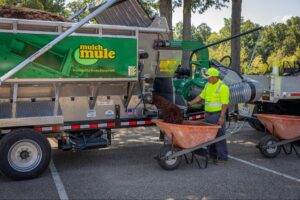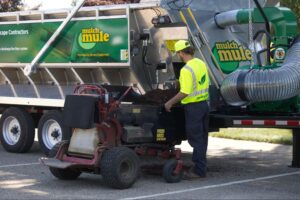
Landscaping professionals perform physically demanding tasks daily, especially during bulk material placement. Moving large quantities of mulch, gravel, and soil requires repetitive lifting, bending, and pushing that can lead to worker fatigue and injuries. Tight schedules, harsh weather, and uneven terrain only add to these challenges. By adopting ergonomic practices and safety enhancements, landscaping crews can reduce physical strain and boost overall efficiency.
This guide explores the challenges of ergonomics in landscaping, safety risks, and practical strategies related to material handling in landscaping. It examines common methods—from traditional wheelbarrows to advanced solutions like the Mulch Mule trailer—and provides actionable insights for selecting the safest, most sustainable options for your projects.
Why Crew Fatigue Is a Safety Problem
Crew fatigue is not merely a productivity issue—it directly impacts safety. When exhaustion sets in, workers are more prone to misjudgment, slips, and other accidents that can lead to injuries or worse. In fact, prolonged crew fatigue can significantly compromise jobsite safety, triggering a cascade of errors and accidents.
The Fatigue-Mistakes-Injuries Loop
Fatigue creates a cycle: repetitive tasks cause tiredness, leading to mistakes that further increase injury risks. This cycle decreases worker confidence and disrupts project timelines, making fatigue a critical issue that requires immediate attention. Understanding how to optimize crew roles on mulch jobs can help break this cycle by distributing workload more effectively.
Common Causes of Fatigue in Landscaping
Key contributors to fatigue include:
- Repetitive lifting and twisting: Constant shoveling and loading strain the back, shoulders, and wrists.
- Pushing and pulling on uneven terrain: Moving heavy equipment across rough or sloped surfaces demands extra effort.
- Exposure to heat and dehydration: High temperatures and minimal shade expedite dehydration, reducing focus and physical performance.
- Dust and noise exposure: Handling bulk materials can trigger dust storms and noise, further taxing workers’ energy.
This discussion focuses on translating these challenges into actionable ergonomic solutions for bulk material handling.
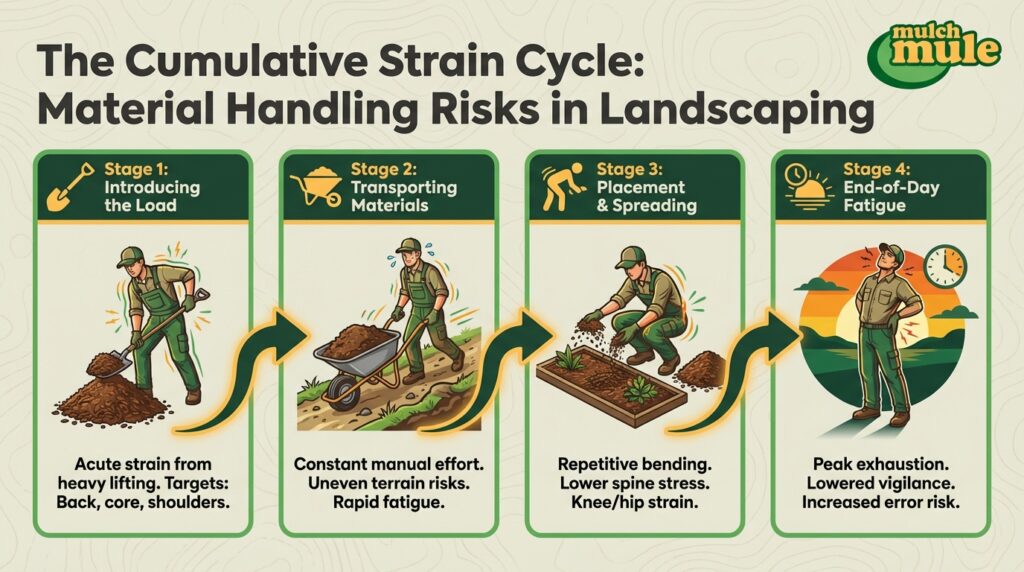
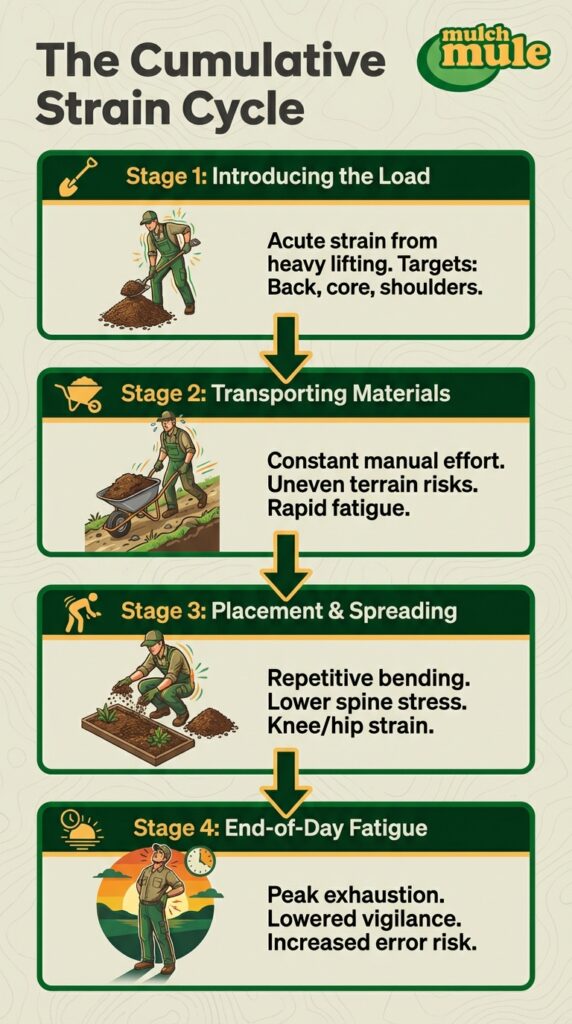
The Ergonomic Risk Map: Key Material-Handling Phases
Landscaping work involves several high-risk activities that contribute to fatigue:
- Loading Materials: Loading materials typically requires shoveling and lifting, placing heavy loads into containers or onto trailers. This repetitive use of muscles in twisting and lifting increases the risk of back, shoulder, and core strain.
- Transporting Materials: Transporting bulk materials—whether by wheelbarrows or manual pushing—requires constant effort. Navigating uneven terrain or tight spaces further compounds the physical strain and increases the potential for accidents.
- Placement and Spreading: Distributing materials evenly across a site involves constant bending, squatting, and reaching. This repetitive motion can lead to cumulative strain, particularly on the lower back and joints.
- Cleanup and End-of-Day Fatigue: The final cleanup involves additional physical effort, such as raking or sweeping debris, often performed after hours of strenuous work. As the day winds down, accumulated fatigue increases the risk of oversight and injury.
Wheelbarrows and Shovels: The Traditional Approach
Wheelbarrows and shovels are the most common starting point for moving mulch and soil—cheap, accessible, and familiar. But the tradeoff is heavy manual effort, which can quickly add up in fatigue, strain, and avoidable safety risk.
Ergonomics and Safety Considerations
Wheelbarrows and shovels are simple, affordable tools suitable for small projects. However, they require repetitive shoveling and pushing—tasks that strain the back, shoulders, and wrists. Overloaded wheelbarrows and uneven terrain can lead to tipping, falls, and repetitive stress injuries.
When They Make Sense
This method is best for small-scale projects or areas with restricted access, where simplicity and low cost outweigh the ergonomic drawbacks. Using proper technique, limiting load sizes, and taking regular breaks can help mitigate some risks, but the physical toll remains significant.
Dump Trucks and Utility Trailers: Bulk Transport with Limitations
For larger loads, dump trucks and utility trailers can move more material with fewer trips. However, unloading and finishing work often still depends on manual labor, which can reintroduce ergonomic strain and jobsite hazards if workflows and PPE aren’t dialed in.
Dump Trucks
Dump trucks reduce the need for manual unloading by mechanically tipping materials onto the site. However, uneven discharge requires subsequent manual raking to distribute materials properly, and dust exposure during dumping poses respiratory risks.
Utility Trailers
Utility trailers are versatile but require manual unloading, forcing workers to bend, reach, and shovel from the trailer. This process increases the risk of muscle strains and falls, especially on uneven loads and unstable footing.
Best Practices
Both solutions work well on large, open sites where a short distance for manual sorting is acceptable. For optimal safety, proper protective gear and training on safe unloading techniques are essential.
Mulch Blower Systems: Speed with Exposure Risks
Mulch blower systems offer faster material distribution by propelling mulch through a powered hose. Although they reduce the need for manual shoveling, the effort required to manage heavy hoses can strain the arms and shoulders. Additionally, high noise levels and dust generation call for adequate protective gear. Best suited for large, open areas, these systems work best when paired with proper dust control measures.
Skid Steers and Carts: Versatility with Caveats
Skid steers, often used with carts or hoppers, significantly reduce manual lifting by using hydraulic power to handle heavy loads. However, challenges arise from repetitive entering and exiting the equipment, awkward operator posture, and limited visibility on uneven terrain. While these machines boost efficiency, safety precautions such as proper seating, training, and good communication between operators and ground crew are essential to minimize risks.
Common Challenges with Traditional Methods
Traditional material-handling approaches generally suffer from:
- Time-consuming processes that slow workflow and extend project timelines.
- Rising labor costs as the need for a larger workforce increases expenses and risk of turnover.
- Higher accident rates resulting from repetitive tasks leading to fatigue.
- Reduced profitability because slower, manual methods limit the number of projects a crew can complete, thereby constraining revenue potential.
How the Mulch Mule Transforms Material Handling
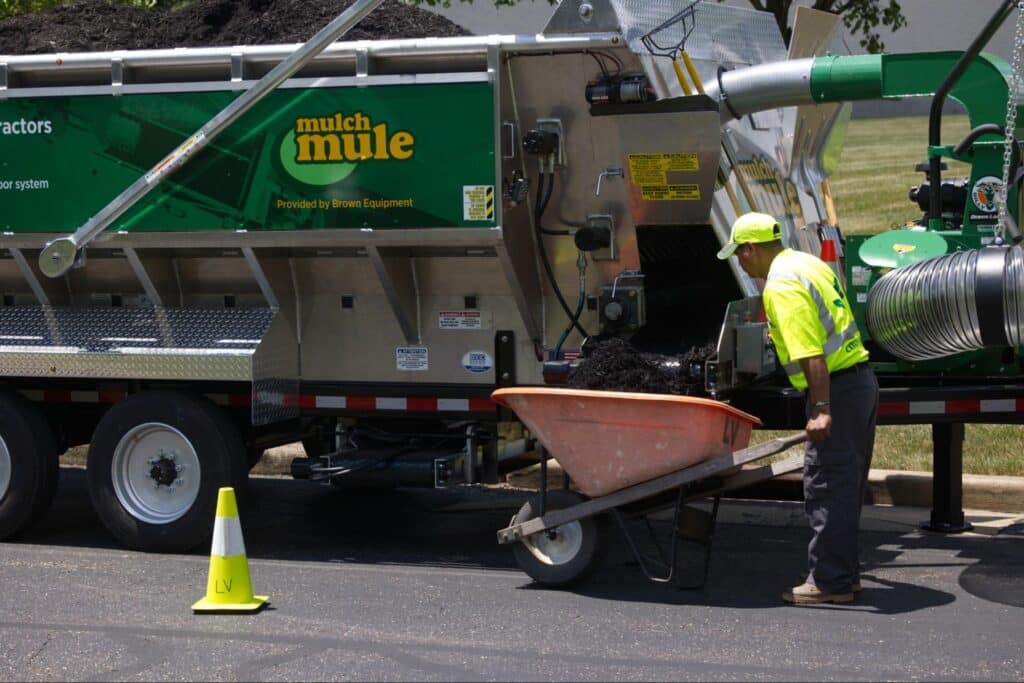
The Mulch Mule streamlines the most physically demanding parts of landscaping—moving, unloading, and placing bulk materials—so crews can work faster with less strain. It includes a live floor system that moves materials smoothly without requiring constant physical effort, drastically reducing strain and fatigue. Its automated design improves ergonomics, boosts safety, and delivers a practical return on investment across a wide range of job types.
Prioritizing Safety
By automating repetitive lifts, the Mulch Mule minimizes risks associated with falls and muscle injuries. Its design prevents the need for workers to enter the equipment or shift heavy loads manually. An optional vacuum loader helps control dust and debris, further protecting worker health.
Versatility for All Projects
Capable of handling mulch, soil, leaves, and other materials, the Mulch Mule works year-round in both small and large projects. Its ability to load and unload quickly allows teams to maintain tight schedules and reduce labor costs—even when managing multiple jobs.
Return on Investment
Although the initial investment is higher than traditional tools, the Mulch Mule pays for itself through reduced labor requirements, lower injury rates, and increased productivity. Proper training and scheduled maintenance ensure the equipment continues to perform at peak efficiency over time.
Implementing a Comprehensive Safety and Efficiency Program
In addition to investing in cutting-edge equipment like the Mulch Mule, successful landscaping companies are adopting holistic safety and efficiency programs tailored to modern material handling. Integrating automated equipment into daily operations not only addresses physical fatigue but also encourages a culture of continuous improvement and safety awareness. Many companies implement regular performance reviews and feedback sessions with crews to discuss challenges, streamline processes, and promote best practices in ergonomics.
These programs often include periodic reassessments of jobsite layouts to identify potential hazards and opportunities for further automation. By aligning equipment usage with strategic workflow planning, businesses can reduce redundant tasks and enhance overall operational efficiency. Emphasizing a team-based approach to equipment management fosters better communication, ensuring that even in demanding conditions, everyone understands their role in maintaining a safe and productive work environment.
Moreover, by documenting the improvements in productivity and reductions in injury-related downtime, companies can build a strong case for further investments in automated systems. This evidence-based approach not only justifies the initial outlay but also paves the way for scalable growth in the future, reinforcing the company’s commitment to both safety and operational excellence.
Quick Equipment Selection Guide
Choosing the right tool for your landscaping needs depends on your jobsite priorities:
- Reducing Back Strain: For jobs where repetitive lifting is a key concern, the Mulch Mule automates material handling and minimizes physical effort.
- Managing Dust and Cleanup: Projects with high dust or cleanup demands benefit from the Mulch Mule’s vacuum loader option, which reduces airborne debris.
- Handling Tight Access: Stick with compact tools such as wheelbarrows or utility trailers that are easier to navigate.
- Speed on Large Sites: Consider mulch blower systems or dump trailers, but if precision is needed, the Mulch Mule or skid steers offer a controlled approach.
- Optimizing Crew Size: When labor is limited, the Mulch Mule’s automation allows fewer workers to handle larger jobs, reducing overall labor costs.
FAQs About Reducing Crew Fatigue and Safer Mulch Handling
Why is crew fatigue considered a safety issue (not just a productivity problem)?
Fatigue reduces focus, coordination, and decision-making—making slips, misjudged movements, and equipment mishandling more likely. Over a full day, small mistakes can compound into higher injury risk and downtime.
What are the most common causes of fatigue during landscaping material handling?
The biggest drivers are repetitive lifting/twisting (shoveling/loading), pushing/pulling heavy loads over uneven terrain, heat and dehydration, and ongoing dust/noise exposure—especially on long days with tight deadlines.
Which parts of the job create the highest ergonomic risk?
Typically: loading, transporting, placing/spreading, and end-of-day cleanup. These phases involve the most repetition and awkward postures (bending, twisting, reaching), especially when done manually.
How does the Mulch Mule reduce physical strain compared to traditional methods?
The Mulch Mule automates major parts of bulk material handling—reducing repetitive shoveling, heavy pushing, and constant repositioning. Its live floor system moves material smoothly, helping crews work with less bending, lifting, and fatigue.
How does the Mulch Mule improve jobsite safety?
By reducing manual lifting and overexertion tasks, it can lower the likelihood of strains, slips, and fatigue-related errors. It also minimizes the need for workers to climb in/out or manually shift heavy material.
What materials can the Mulch Mule handle?
It’s designed for common landscaping materials such as mulch, soil, leaves, and debris, supporting year-round use across a variety of job types.
How do I choose the best material-handling method for my jobsite?
Match the tool to your priority: tight access may favor wheelbarrows/compact trailers; large open sites may benefit from dump solutions or blower systems; if your goal is reducing shoveling, back strain, and crew size needs, automation like the Mulch Mule is often the best fit.
Maximizing Safety and Efficiency in Landscaping with Advanced Equipment
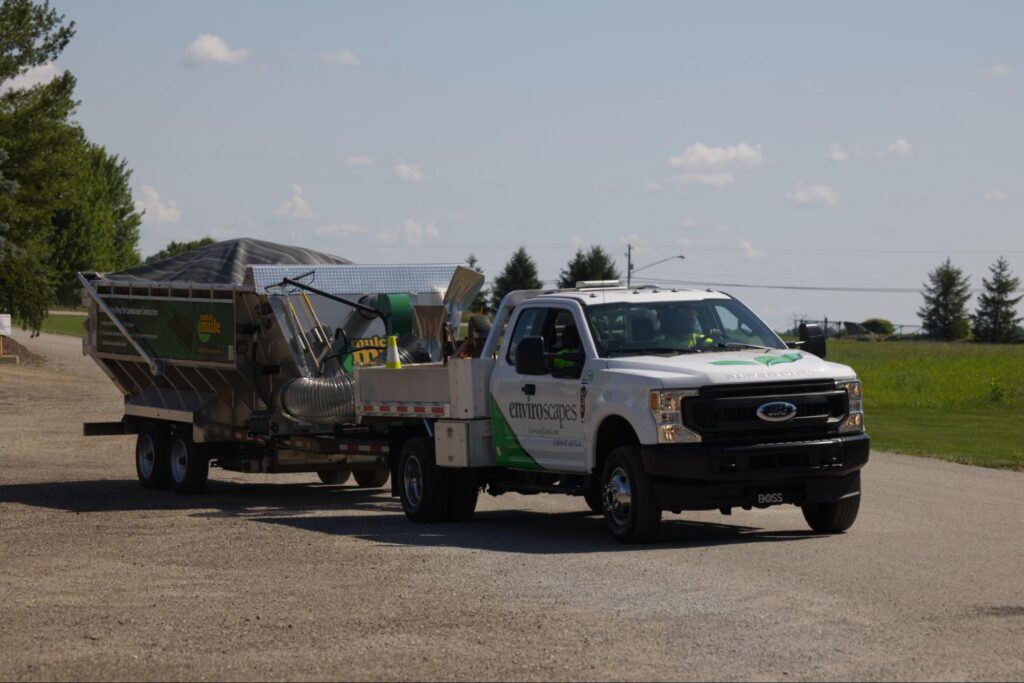
Landscaping is a physically demanding industry where repetitive material handling can compromise both safety and efficiency. Traditional methods, although familiar and low-cost, often fall short in reducing fatigue and minimizing injury risks. The Mulch Mule revolutionizes these challenges by automating critical tasks, reducing physical strain, and enhancing workplace safety—all while boosting productivity and profitability. With comprehensive approaches like robust operator training and proactive scheduled maintenance in place, companies can better manage crew fatigue, safeguarding their teams and optimizing operations.
Now is the time to evaluate your current workflow and consider how upgrading your equipment or refining your techniques can improve safety and efficiency. Contact Mulch Mule to begin your transformation today and empower your team to work smarter and safer.